PROSE MASTERPIECES
FROM
MODERN ESSAYISTS
Froude, Freeman, Gladstone, Newman, Leslie Stephen
NEW YORK & LONDON
G. P. PUTNAM'S SONS
The Knickerbocker Press
1891
The Knickerbocker Press
Electrotyped and Printed by
G. P. Putnam's Sons
CONTENTS.
| The Science of History. By James Anthony Froude | 3 |
| Race and Language. By Edward A. Freeman | 55 |
| Kin Beyond Sea. By William Ewart Gladstone | 151 |
| Private Judgment. By John Henry Newman | 221 |
| An Apology for Plainspeaking. By Leslie Stephen | 281 |
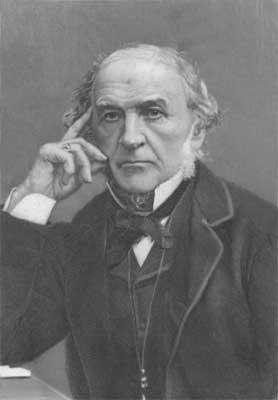
JAMES ANTHONY FROUDE.
BORN 1818.
THE SCIENCE OF HISTORY.
A LECTURE DELIVERED BY JAMES ANTHONY FROUDE AT THE ROYAL INSTITUTIONFEBRUARY 5, 1864.
Ladies and Gentlemen,—I have undertaken to speak to you thisevening on what is called the Science of History. I fear it is a drysubject; and there seems, indeed, something incongruous in the veryconnection of such words as Science and History. It is as if we were totalk of the color of sound, or the longitude of the Rule-of-three. Whereit is so difficult to make out the truth on the commonest disputed factin matters passing under our very eyes, how can we talk of a science inthings long past, which come to us only through books? It often seems tome as if History was like a child's box of letters, with which we canspell any word we please. We have only to pick out such letters as wewant, arrange them as we like, and say nothing about those which do not[Pg 4]suit our purpose.
I will try to make the thing intelligible, and I will try not to wearyyou; but I am doubtful of my success either way. First, however, I wishto say a word or two about the eminent person whose name is connectedwith this way of looking at History, and whose premature death struck usall with such a sudden sorrow. Many of you, perhaps, recollect Mr.Buckle as he stood not so long ago in this place. He spoke more than anhour without a note,—never repeating himself, never wasting words;laying out his matter as easily and as pleasantly as if he had beentalking to us at his own fireside. We might think what we pleased of Mr.Buckle's views, but it was plain enough that he was a man of uncommonpower; and he had qualities also—qualities to which he, perhaps,himself attached little value—as rare as they were admirable.
Most of us, when we have hit on something which we are pleased to thinkimportant and original, feel as if we should burst wi